When a crime or traumatic event happens, life splits into before and after. In those first hours and days, families are focused on shock, questions, phone calls, and simply getting through the moment.
Eventually, authorities finish their work, and the scene is released. That is when many people face a reality they were never prepared for.
The space where something terrible occurred is still there. And too often, families feel an unspoken pressure to handle what remains on their own.
Some cleanups should never fall on loved ones. Crime scene cleanup is one of them.

After a traumatic event, taking action can feel like a way to regain control. Cleaning may seem like just another task that needs to be done, something practical in the middle of chaos.
Families may also:
These instincts come from care and responsibility. But crime scenes are not normal messes, and treating them as such can cause harm in ways people do not expect.
Crime scenes often involve biological contamination that cannot be safely handled with household products. Blood and bodily fluids can carry pathogens that pose real health risks.
These materials do not stay on the surface. They soak into flooring, subfloors, walls, furniture, and even ventilation systems.
Professional crime scene cleanup involves:
This is not deep cleaning. It is specialized biohazard remediation designed to protect current and future occupants.
Beyond physical safety, there is another risk that is just as serious: emotional harm.
Cleaning the site of a violent or traumatic event exposes loved ones to sights, smells, and reminders that can deepen grief and trigger lasting trauma. Even brief exposure can imprint memories that resurface long after the cleanup is finished.
Professional cleanup creates a necessary boundary. It allows families to step away from the physical details of what happened and focus on healing, arrangements, and supporting one another. No one should have to relive a tragedy through cleanup.
When crime scenes are cleaned without proper training and equipment, contamination is often spread rather than removed.
Common risks include:
A space may look clean, but unseen hazards can remain. These risks often surface later, when the opportunity to address them safely has already passed.

Professional cleanup is especially important when an incident involves:
Choosing professional help is not about avoiding responsibility. It is about protecting people during an already difficult time.
Bio-One of Lincoln exists for moments when people need support, not more burden. Their crime scene cleanup services are built around compassion, discretion, and thorough care.
When Bio-One steps in, families can expect:
The goal is not just to clean a space, but to remove one more weight from the shoulders of those affected.

Grief is hard enough without adding hazardous cleanup to the list of responsibilities. Crime scene cleanup is not something families should feel obligated to handle on their own.
If you or someone you care about is dealing with the aftermath of a traumatic event, it is okay to ask for help. Bio-One is here to step in quietly, handle what needs to be done, and give families the space they need to begin healing.
Crime scene cleanup is the professional removal of blood, bodily fluids, and other biological hazards left behind after a traumatic event. It also includes disinfecting and restoring affected areas so the space is safe to occupy again.
Crime scenes can contain dangerous pathogens and invisible contaminants. DIY cleanup can expose loved ones to health risks and cause emotional harm by forcing them to confront traumatic details of the event.
In many situations, proper cleanup is required to meet health, safety, and waste-disposal regulations. Property owners are responsible for ensuring biohazards are removed correctly, especially in rental or shared spaces.
Crime scenes may contain bloodborne pathogens, bacteria, and other biological materials that can penetrate porous surfaces like carpet, wood, drywall, and furniture if not properly addressed.
No. Standard cleaning services are not trained, equipped, or permitted to handle biohazardous materials. Crime scene cleanup requires specialized training, protective equipment, and regulated disposal methods.
The time required depends on the extent of the contamination and the size of the affected area. Some cleanups take a few hours, while others may require multiple days to fully remediate the space.
Professional cleanup removes biological hazards and contaminated materials, returning the space to a safe, pre-incident condition. While cleanup helps restore the environment, emotional healing takes time and support beyond the physical space.
In many cases, homeowner’s insurance, renter’s insurance, or commercial policies may provide coverage. Coverage varies by policy, so it is important to review details or speak with an insurance representative.
Cleanup should be scheduled as soon as the scene is released by authorities. Prompt response helps reduce health risks, prevent further damage, and limit long-term contamination.
Bio-One focuses on compassion as much as compliance. Their approach prioritizes discretion, respect for those affected, and thorough remediation, so families and property owners do not have to face this responsibility alone.

Bio-One teams across the U.S. answer calls to help their communities and remediate a variety of scenes. In our new blog series, we'd like to bring you into the Bio-One world by sharing stories of the unique and important work we do for local communities.
Here is Week 7 of our Bio-One Weekly Wrap-Up.
Thank You to the Thin Gold Line
The second week of April is a time to celebrate and thank telecommunications professionals who dedicate their lives to serving the public. Often called the thin gold line, 911 dispatchers are true heroes behind the scenes.
Coast to coast, Bio-One teams found fun and unique ways to recognize the Thin Gold Line.
Bio-One Helps Homeless Man with Vehicle Clean Up
This week, News San Diego reported "Homeless man's story inspires San Diego mom to enlist community's help", featuring Rene Flohr and Nicki Chipp-Flohr, owners of Bio-One. The Bio-One duo spotted a NextDoor post asking for anyone who could help 79 year-old, Les, who had been living out of his vehicle and was recently diagnosed with skin cancer. His vehicle was floor to ceiling full of items, and Bio-One was ready to help clean and disinfect the vehicle so it could be sold or donated.
In a message to Bio-One owners, Nicki said, "I am very proud of what we are doing to help someone. I thought you’d all appreciate it, since we live the Bio-One motto of #helpfirstbusinesssecond." We couldn't agree more!
Read the entire story on News San Diego.
A "Week in the Life" at Bio-One
The Bio-One team in Tuscon, AZ had a busy week with work ranging from COVID-19 disinfections, mold remediations, bird dropping clean up, medical waste disposal, suicide remediation, and more.
If you've ever wondered what it takes to be a crime and trauma scene cleaner, we recommend read through the Tuscon team's Weekly Wrap-Up!


Bio-One teams across the U.S. answer calls to help their communities and remediate a variety of scenes. In our new blog series, we'd like to bring you into the Bio-One world by sharing stories of the unique and important work we do for local communities.
Here is Week 6 of our Bio-One Weekly Wrap-Up.
Cherokee County Biohazard Remediation
Lives in the Atlanta area were forever altered on Tuesday, March 16, 2021 after a shooting spree at three metro Atlanta spas left eight people, including six Asian women, dead within the span of 45 minutes.
Our hearts and sympathies are with everyone impacted by this tragedy.
Two weeks after the tragic events in Atlanta took place, Bio-One answered the call to remediate the spa in Cherokee County. Led by Michele O'Brien and Rebecca Phillips, the Bio-One team provided a quick response and thorough decontamination. Read more in our recent blog post.

Tragedy in Rock Hill, South Carolina
As details from the tragedy in Rock Hill, South Carolina unfold, one Bio-One team paid special tribute to the victims, first responders and other local law enforcement officials. Bio-One owners, John and Jen Symons, live in Rock Hill and experienced the police response first-hand. "It's a tight-knit community. We just can't believe it," said Jen Symons.
Their team is currently in communication with local law enforcement, and activity supporting neighbors through this difficult time.
COVID-19 Disinfection at Dojo
This week, we're spotlighting the Atlantic City team where they are regularly disinfecting Ganguly's Mixed Martial Arts. According to Bio-One owner, Victor Russomanno, "We are contracted with a local martial arts studio to disinfect them weekly. In addition to their in-house protocol, we use an electrostatic sprayer to ensure maximum coverage and protection, to ensure those who are training are staying safe through our efforts."
Across the United States, Bio-One teams actively disinfect local businesses, government buildings, and residents in the fight against coronavirus. Learn more about our COVID-19 disinfection process.
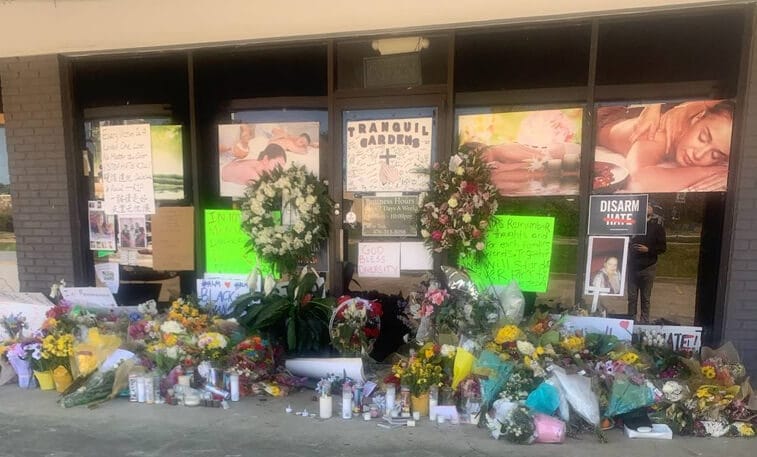
Lives in the Atlanta area were forever altered on Tuesday, March 16, 2021 after a shooting spree at three metro Atlanta spas left eight people, including six Asian women, dead within the span of 45 minutes.
Our hearts and sympathies are with everyone impacted by this tragedy.
We sincerely hope businesses never experience these types of events, because that means it’s the worst day of their lives. However, Bio-One teams are ready 24/7 in the event biohazard remediation services are needed.
Two weeks after the tragic events in Atlanta took place, Bio-One answered the call to remediate the spa in Cherokee County. Led by Michele O'Brien and Rebecca Phillips, the Bio-One team provided a quick response and thorough decontamination.
“When we walked into the spa, it was like time stopped,” said Phillips. “Things were there just like a normal day and then chaos happened. It was a heavy feeling, and we appreciate the opportunity to help.”
Previously, Bio-One has been trusted to remediate several mass shooting tragedies including Las Vegas at Mandalay Bay, Pulse Nightclub, the San Bernardino schools and Sandy Hook.